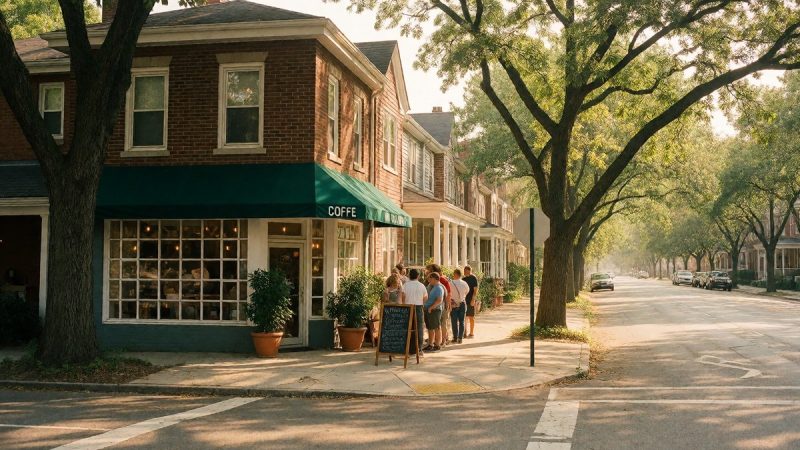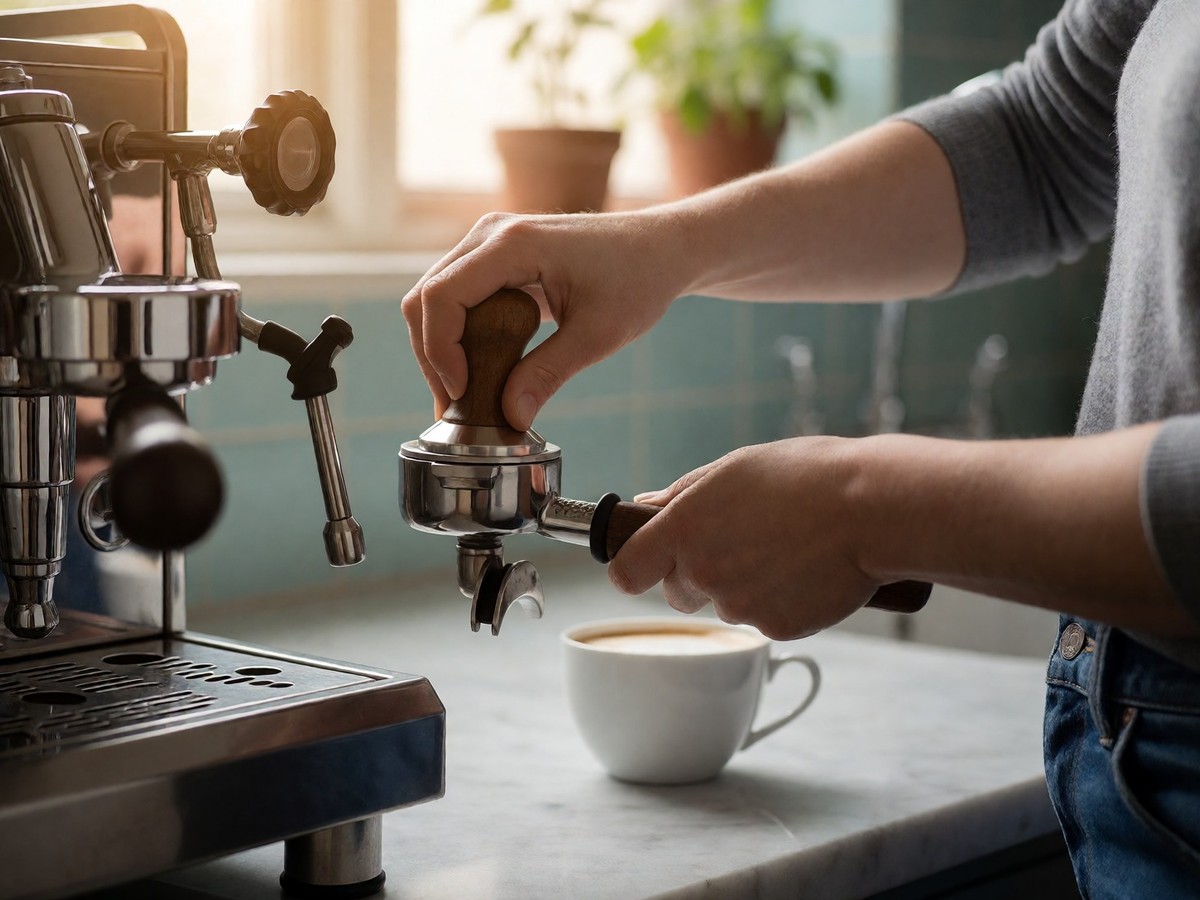
During his 30-day residency at Madison Square Garden, the estimated quarter-billionaire told the crowd that the "scariest thing" about New York City is the cost of coffee. He claimed a cappuccino cannot be $10, calling the price of caffeinated beverages "astronomical" and "out of control." The singer also expressed disdain for tipping. This remark sparked immediate coverage from Reuters, Yahoo, and the NY Post, all reporting on what they described as his expert opinion on local pricing. I find it difficult to take this complaint seriously given his net worth, which dwarfs the cost of any beverage. A six-dollar cup represents a negligible fraction of his assets, yet he framed the expense as a crisis for the city.
The Reality of NYC Pricing
The actual market rate for a standard cappuccino in New York City is approximately six dollars, according to Sprudge editor Liz Clayton. While some establishments charge double digits through upcharges or premium selections, these are exceptions rather than the norm. Complaining about a $10 drink is like entering a Rolex store and wondering why the watches are expensive; you simply chose the wrong venue. The sentiment behind the gripe is familiar because coffee prices are rising alongside other goods, but the scale of the complaint does not match the reality. Baristas in the city often struggle to afford housing in the same neighborhoods where they serve drinks, frequently sharing studio apartments with roommates. Farmers who grow the beans have historically been paid less than the production cost due to artificially deflated prices. These workers face genuine financial hurdles that a celebrity’s grumble ignores entirely.
Why the Complaint Misses the Point
Styles took on the mantle of fighting higher coffee prices, but his position undermines the very people who need support. The appropriate response to rising costs is ensuring baristas receive a livable wage and farmers are paid fairly for their crops. If a $10 cappuccino is the mechanism that achieves those wages, then the price increase serves a necessary function. I would skip the bonus buy of sympathy for a man who spends 0.00000004% of his wealth on a drink while his audience pays orders of magnitude more to attend his concerts. The "Treat People With Kindness" slogan rings hollow when the kindness is withheld from the laborers who make the product. My verdict is clear: the complaint is performative and detached from economic reality. I order an $8 pour-over and tip generously, recognizing the value of the service without making a spectacle of my own spending. The bone structure required to pull off such a display is one I do not possess, nor do I wish to emulate.
Topics