In this story
Managing total cost of ownership and energy
Evoca Group connects machine longevity and energy efficiency to lower operating costs. Andrew Barrow, the UK Managing Director, notes that saving £1 per machine every day makes a significant difference for large organisations that manage 500 to 1,000 machines. Giusi Bonini, the Chief Sustainability Officer, explains that energy consumption accounts for the largest share of a machine’s environmental footprint, so reducing energy use addresses both emissions and operating costs. The company uses a total cost of ownership model to look at energy, water, cleaning cycles, service, spare parts, and downtime.
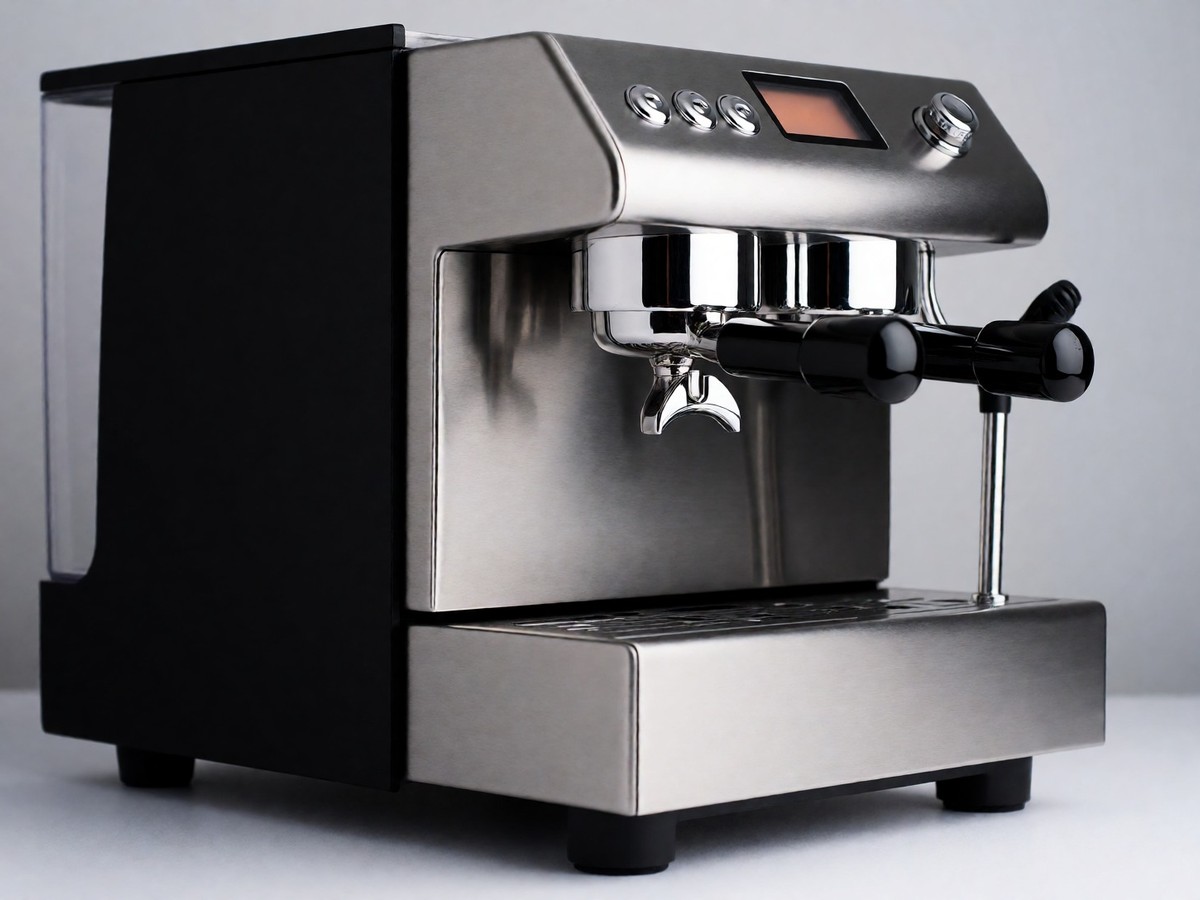
The company maintains a wide range of equipment and support systems. Evoca dispatches approximately 4,500 machines every year in the UK alone. Their inventory contains between 14,000 and 15,000 individual spare parts to support various models. These parts assist everything from floor-standing vending units to traditional espresso machines. This scale of support allows the company to manage the full lifecycle of its professional coffee equipment.
Bonini, an engineer with 30 years in the industry, began leading the sustainability programme in 2021. She developed an internal Product Carbon Footprint Tool to measure emissions according to ISO 14067 standards. While manufacturing uses 100% renewable electricity, the use phase remains the primary driver of emissions. By focusing on the "use phase" where energy consumption drives the highest emissions, Evoca aims to reduce both the environmental footprint and the total cost of ownership for large-scale hospitality operators. The company holds ISO 14001 environmental certification and has held quality certification since 1994. The company also follows the Science Based Targets initiative (SBTi) and aims to reduce emissions to meet the 1.5°C goal of the Paris Agreement.
Equipment longevity and the G Line
Equipment lifespan impacts how operators calculate long-term costs. Necta vending machines can remain in service for more than 20 years, while high-throughput bean-to-cup machines last about seven years and traditional espresso machines last ten. Evoca also supplies renewed spare parts through its Newlife programme, which recovers parts from end-of-life machines to inspect, service, and test them. This program gives an alternative to new parts and helps retain the value of existing components.
The Gaggia G Line demonstrates these principles through specific engineering choices. These machines use 35% recycled steel and minimize glued components to help with disassembly and material recovery. Because 75% of parts are common across the range, engineers carry fewer spares and use less fuel in service vans.
| Model | Daily Drink Capacity |
|---|---|
| Gaggia G 50 | ~50 drinks |
| Gaggia G 700 | 250 to 300 drinks |
The Gaggia G Line range, which includes models from the G 50 to the G 700, has different capacities and maintains espresso quality. The G 50 handles approximately 50 drinks a day, whereas the G 700 handles between 250 and 300 drinks. I find that while the G Line efficiency helps, the 75% part commonality is limited to this specific range rather than the 15,000 parts in the company’s total inventory.
Remote maintenance and future technology
Digital tools allow technicians to fix faults without visiting a site. Through telemetry, customers connect to a machine to diagnose problems, adjust settings, and deliver software updates. Barrow says technicians "can dial in within 15 minutes," which avoids the downtime of waiting a day for an on-site visit. This remote access reduces travel and helps lower the carbon footprint of maintenance.
When a site visit is necessary, machine data helps identify the likely fault in advance so the nearest engineer can arrive with the right part the first time. This reduces both downtime and unnecessary journeys. Barrow expects more efficient technologies, such as induction heating, to enter the market soon. He also says that automated cleaning programmes could prevent failed cycles and the extra water they consume, while AI-driven calibration could keep machines running at peak efficiency. Bonini believes the next step involves equipment that can measure its own performance to optimize resource use.