Efficient extraction of coffee lipids
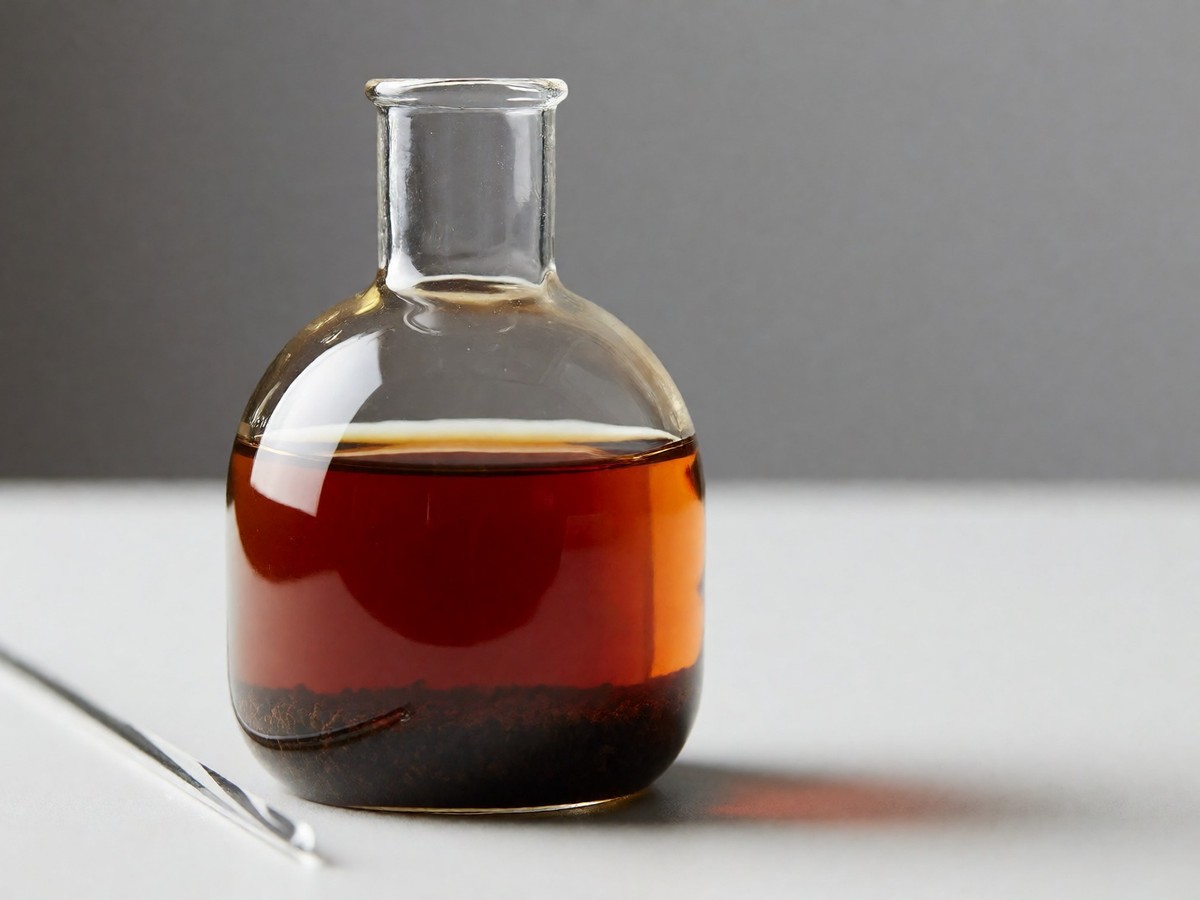
Researchers at Universitat Rovira i Virgili in Spain extracted oil from spent coffee grounds to produce biodiesel using a solvent called n-hexane. This extraction process requires heating the coffee at 45°C for 60 minutes with 35ml of n-hexane for every gram of dry coffee to capture the roughly 15% fat content. While this technique extracts roughly 90% of the yield, the total amount of oil produced is technically less than the results from a traditional Soxhlet extractor. This method is more practical for "large industrial operations" because it consumes less energy and takes less time than older methods. The process produces a much cleaner oil with only 0.3% impurities compared to the 3.9% impurities typical of the Soxhlet method. This extraction method is clearly better for industrial scaling than the Soxhlet process because it avoids the inefficiency of traditional heating methods used in older laboratories.
| Comparison Metric | n-hexane Method | Soxhlet Method |
|---|---|---|
| Impurity Level | 0.3% | 3.9% |
| Energy Use | Lower | Higher |
| Total Oil Yield | Lower | Higher |
Bio-alternatives and industrial scale
Removing lipids makes it easier to extract the remaining cellulose, hemicellulose, and lignin for various bio-alternatives. Lipids act as a barrier that prevents solvents from reaching their targets in plant matter, so removing these lipids makes the structural components of the coffee material more accessible for other eco-friendly uses. The researchers at Universitat Rovira i Virgili reported that this extraction method allows the coffee to be used for multiple repurposable uses. This process provides a way to divert the estimated 10 million metric tons of coffee used annually from reaching a landfill. The team at Universitat Rovira i Virgili found that removing the lipids makes the remaining cellulose, hemicellulose, and lignin much easier to extract for use in bioethanol, biopolymer, or sustainable aviation fuel. The research, published in the journal Biomass and Bioenergy, states that removing the 15% fat content from the grounds allows for more efficient processing of the remaining plant matter. Because these fats act as a barrier, removing them ensures the structural components are more accessible for different bio-alternatives.
Topics