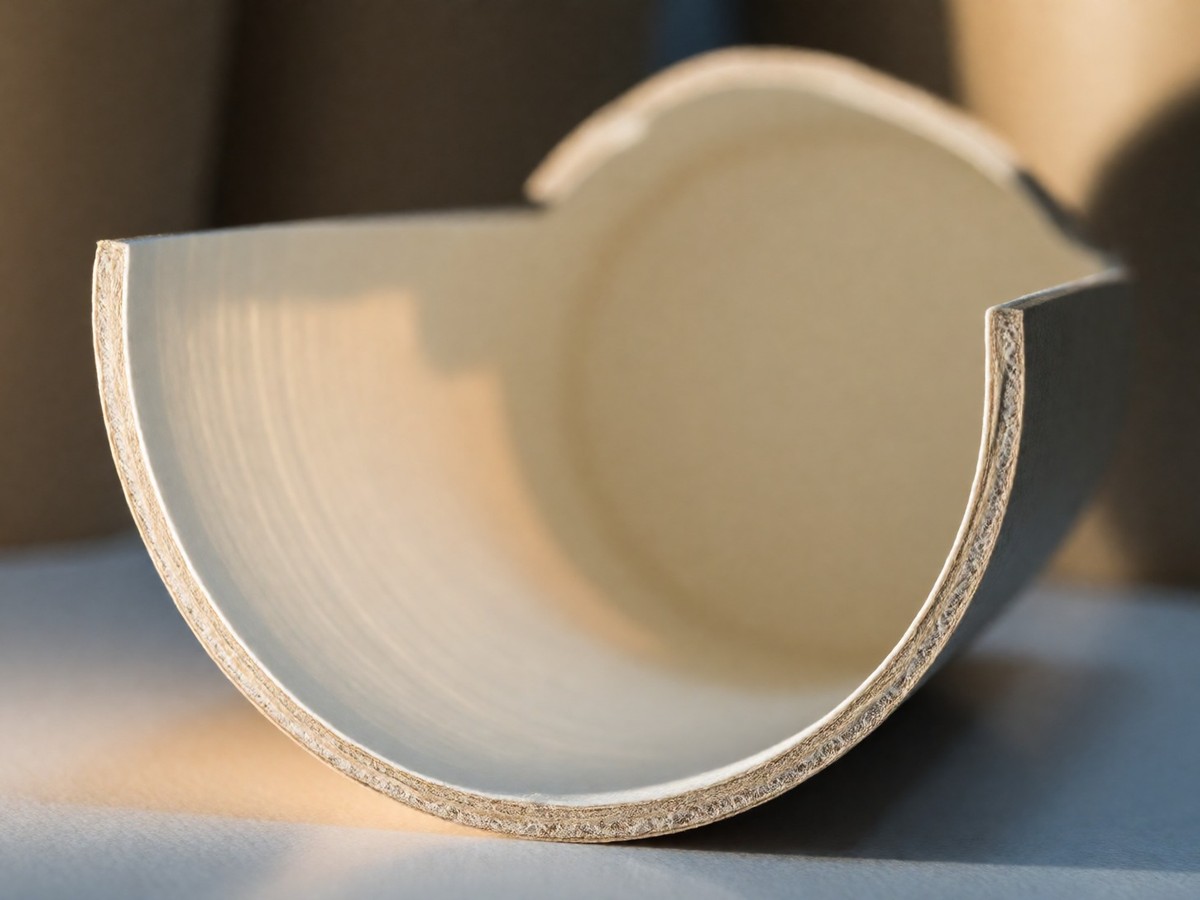
Researchers at the University of Waterloo developed a plastic-free, plant-based coating for to-go cups to stop microplastics from leaching into beverages. Traditional polyethylene linings degrade under high temperatures and contaminate coffee. The new material also allows cups to be recycled instead of ending up in landfills. This innovation addresses a significant health hazard present in everyday consumer products. It replaces fossil-derived polymers with a sustainable alternative.
Material Composition and Thermal Limits
The team published their findings in ACS Sustainable Chemistry & Engineering. They created a "fully cellulosic barrier" using cellulose acetate derived from wood pulp or coffee parchment. Cellulose nanocrystals reinforce this biopolymer to create a durable inner layer. The coating remains heat-stable up to 176°F. This temperature exceeds the standard serving limit for brewed coffee in cafes. It also surpasses the ideal drinking temperature for most consumers. The researchers noted that the substance prevents degradation during typical use. This stability is critical for preventing chemical migration into hot liquids. The plant origin ensures the material breaks down safely after disposal.
Cost Implications and Adoption Hurdles
Testing revealed that the coating permits much thinner paper construction without sacrificing cup durability. This reduction in material thickness could theoretically lower production costs for manufacturers. However, achieving mass adoption requires significant buy-in from the industry. Current manufacturing infrastructure relies heavily on established polymer processes. Shifting to this new biopolymer demands equipment adjustments and supply chain changes. The financial savings must outweigh these initial transition costs. Manufacturers weigh these factors against current market pressures. Consumer awareness of microplastic risks may drive demand for such alternatives. Yet, the friction of requiring reusable mugs remains a simpler behavioral change. This new liner offers a systemic fix rather than relying on individual habit shifts. The technology provides a clear path toward safer consumption.
Topics