In this story
Geneva launch for rural labour monitoring
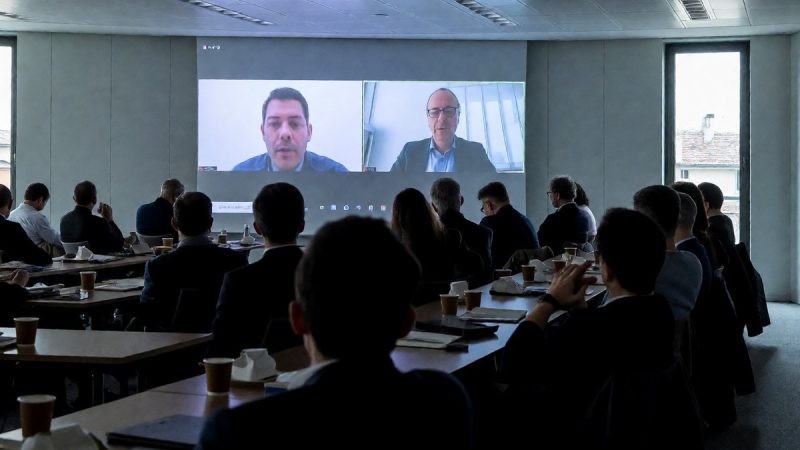
The ILO, UN Global Compact Network Brazil, CONTAR, and Suzano presented the Pode Contar mechanism on Monday, 23 November, during "The World of Work in Transformation" in Geneva, Switzerland. This event occurred alongside the 15th United Nations Forum on Business and Human Rights. The initiative aims to identify labour risks in rural supply chains that do not always surface during traditional compliance checks or periodic audits. It relies on a strategic partnership between the International Labour Organization, Brazil’s National Confederation of Rural Wage Workers (CONTAR), the UN Global Compact Network Brazil, and Suzano. This partnership started in 2024 to strengthen human rights due diligence and promote decent work. Gabriela Rozman, Senior Manager for Human Rights and Labour at the UN Global Compact Network Brazil, says the tool reaches people who might not otherwise use a company-level grievance mechanism.
Operation and data intelligence
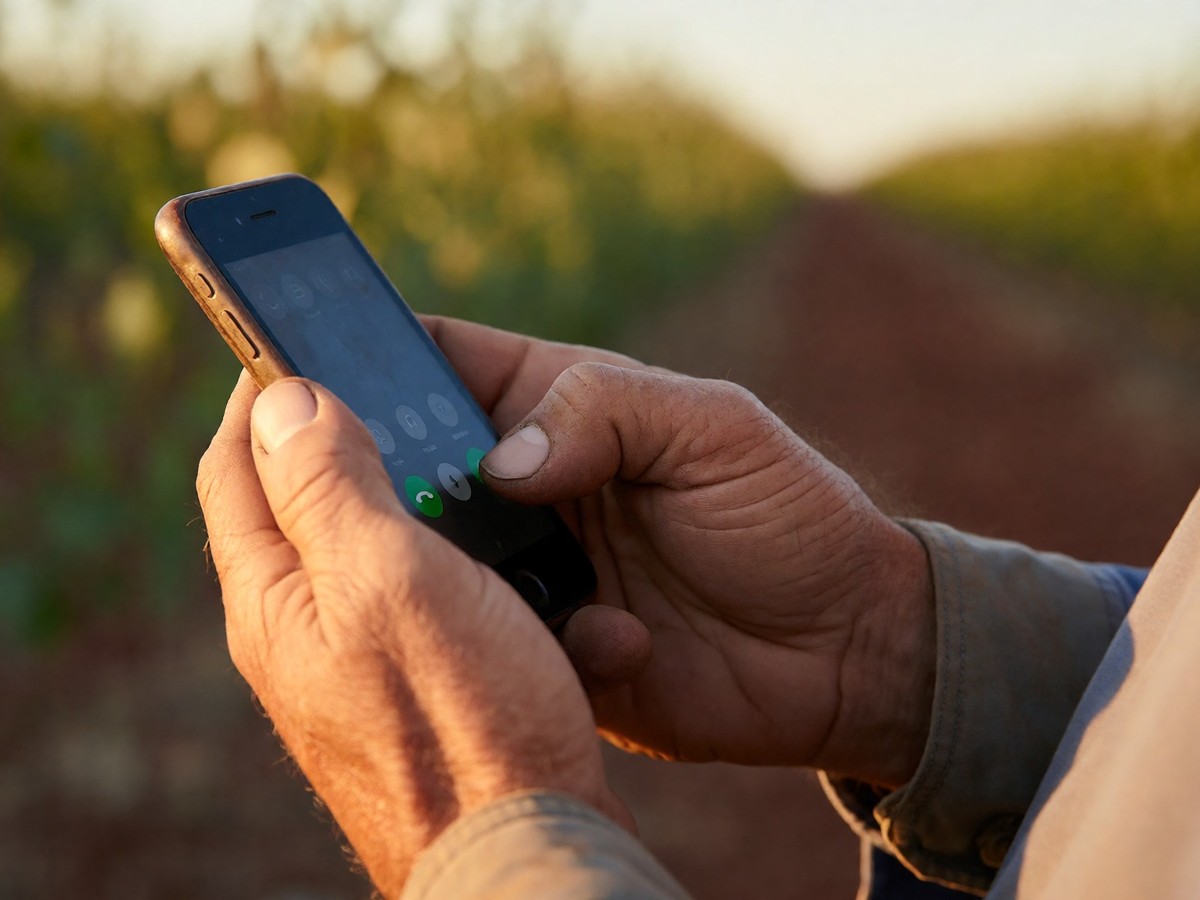
Pode Contar uses three complementary pillars: structured listening to workers, dialogue to address and resolve problems, and the generation of strategic information to identify and prevent risks. Through these pillars, the tool seeks to turn workers’ day-to-day experience into an opportunity for prevention and improved working conditions in rural supply chains. Rural workers send text or voice messages via telephone or WhatsApp to seek guidance or report concerns about their working conditions. CONTAR receives and handles these requests for free and maintains confidentiality. The service categorizes reports into questions, concerns, unverified allegations, and confirmed situations. Aggregated and anonymized data reveal patterns in recruitment, working hours, pay, safety and health, transport, and accommodation, including situations that periodic audits do not easily identify in the field.
| Feature | Detail |
|---|---|
| Communication Methods | Telephone or WhatsApp (text and voice) |
| Data Handling | Aggregated and anonymized |
| Current Sectors | Forestry, coffee, carnauba |
| Forestry Expansion | Scheduled for 2027 |
By combining listening, social dialogue and strategic information, the mechanism helps identify risks, prevent violations and strengthen access to remedy, according to Maria Claudia Falcao, Coordinator of the Fundamental Principles and Rights at Work Programme at the ILO Country Office for Brazil. This information functions as a complementary early warning and response system for producers and other supply chain actors. It supports risk identification, priority setting, and the monitoring of preventive and corrective measures in compliance with OECD Guidelines and the EU Corporate Sustainability Due Diligence Directive (CSDDD). The mechanism adheres to the UN Guiding Principles on Business and Human Rights and ILO frameworks regarding grievance mechanisms and access to remedy.
Implementation and industry limits
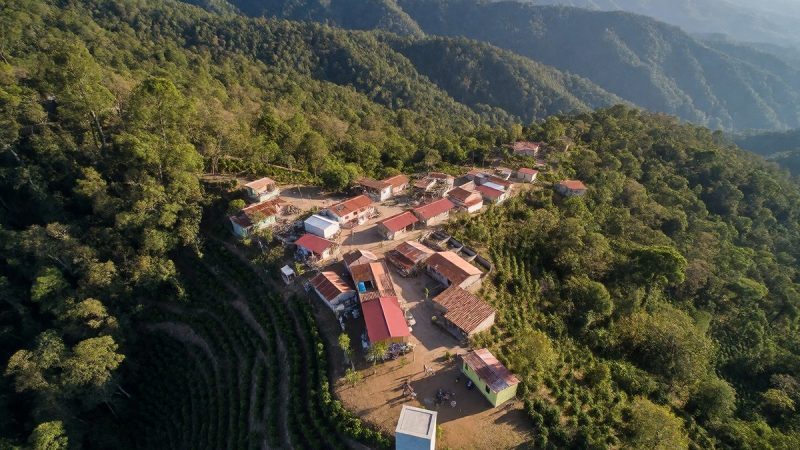
Suzano, the world’s largest pulp producer, manages the forestry sector implementation and its own value chain. Implementation in the forestry sector began in Espirito Santo, and the company plans to expand to other locations in 2027 throughout its value chain. The initiative also reaches the coffee and carnauba sectors through local mobilization and engagement with workers, companies, and partner institutions. The program provides training on decent work and targets field workers who cannot travel to an office or use a computer to manage their affairs.
The mechanism does not replace official labour inspection or regulatory oversight. Cases that indicate a risk to workers’ lives or physical safety follow specific protocols for competent authorities. Laissa Pollyana Carmo, Project Coordinator at CONTAR, says workers contact the organization directly to receive guidance and support. She says CONTAR visits worksites and communities to explain how workers can seek remedy in case of violations. Social dialogue allows workers to participate, alongside employers and public institutions, in building solutions to remedy violations and prevent them from recurring. Giordano Automare, Executive Sustainability Manager at Suzano, says the process helps the company identify "early warning signs" to strengthen response measures. He adds that more companies joining Pode Contar increases the capacity to work with partners to strengthen the entire chain and place people and sustainability at the centre of decision-making.
Topics