Developing new coffee varieties requires balancing resilience, yield, and cup quality. A hybrid that survives climate stress but tastes terrible fails the test, as does a delicious bean that cannot withstand environmental pressure. Breeders currently face a five-year delay because they must roast green beans before assessing their flavor. This wait time slows the selection process significantly. Researchers at Ohio State University are using chemistry to predict flavor profiles before any green coffee hits the roaster.
Identifying Chemical Precursors
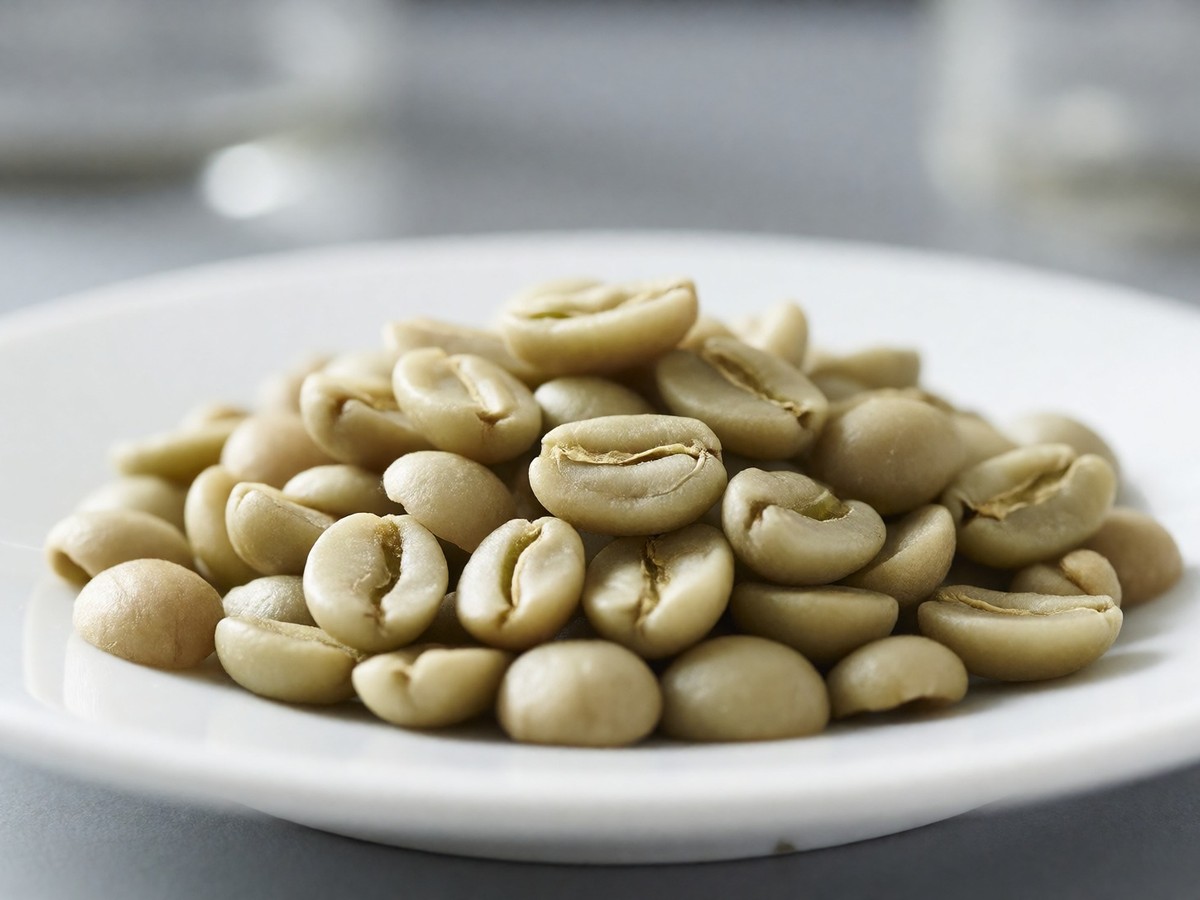
The project, funded by the US Department of State, aims to "give coffee breeders a faster, more objective way to select coffee plants that produce the best-tasting beans." Scientists will analyze roasted coffee samples from around the world to determine which chemical compounds associate with specific flavor outcomes. They then examine green coffee to find the precursors that lead to these compounds. This method theoretically determines potential flavor output before roasting occurs. The goal is to help breeders quickly analyze thousands of samples to identify those with the most promise. This speed allows them to move the strongest varieties to production more rapidly.
Practical Implications for Breeding
This approach solves a clear bottleneck in current breeding programs. Instead of waiting years for sensory evaluation, researchers can screen large populations based on chemical markers. The project remains years away from completion, yet it offers significant promise for safeguarding coffee production against climate change challenges. By linking green bean chemistry to final taste, scientists provide a tool that reduces reliance on subjective cupping sessions during early selection stages. Breeders can now focus resources on plants with verified chemical potential rather than guessing which hybrids might deliver good flavor after roasting. This shift from reactive testing to predictive analysis streamlines the entire development pipeline. The result is a more efficient path toward climate-resilient varieties that maintain high cup quality standards.