In this story
Pre-purchase considerations
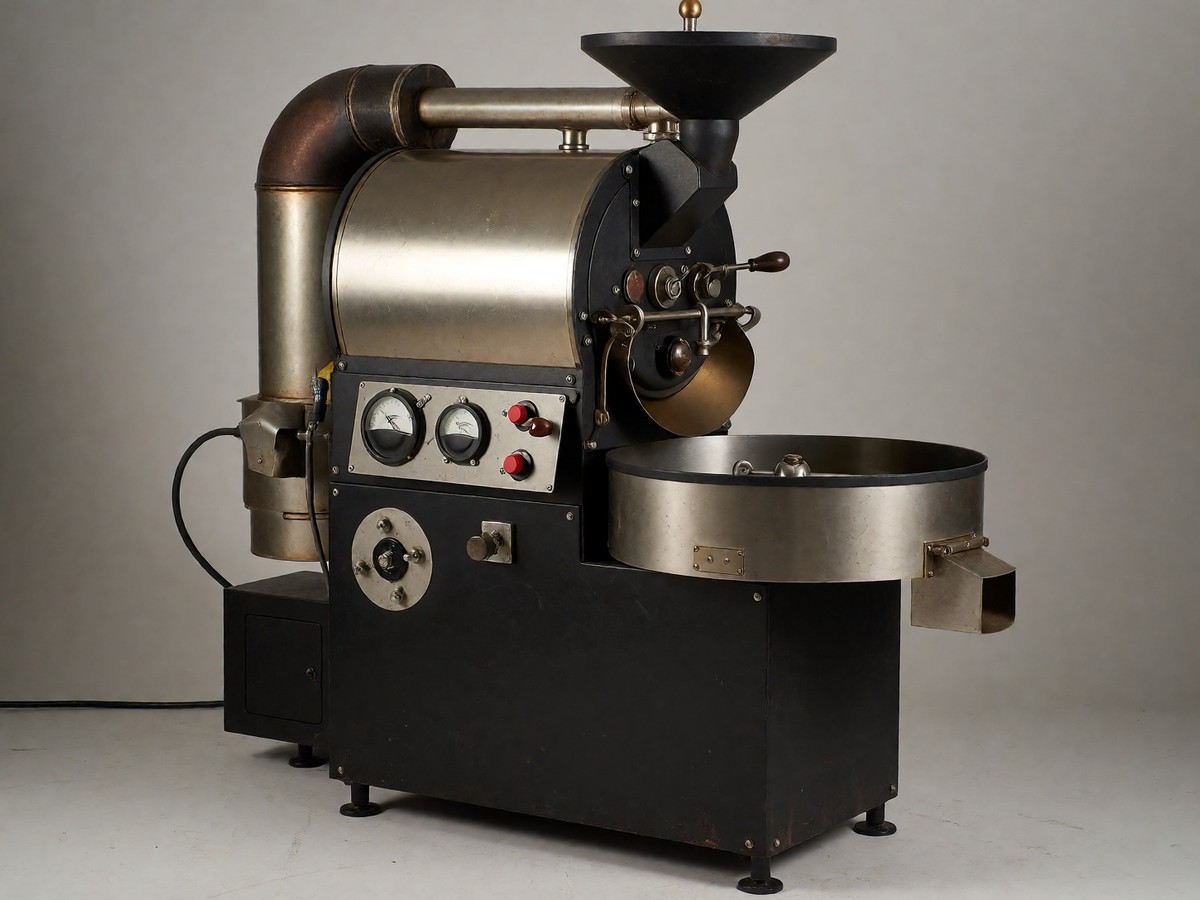
Small cafes use used roasters to bring roasting in-house without a six-figure commitment. This path lacks the safety net of a new machine warranty. Buyers must ask if the machine becomes a money pit and if they possess the mechanical skill to maintain it. The absence of a manufacturer warranty means a buyer must evaluate if the machine requires expensive afterburner or emissions compliance upgrades that could add high hidden costs to the total purchase price after the buyer commits to the machine. They must also check if the brand has a reliability reputation and if parts or manuals remain available. They should ask if they can see the machine in operation through a live test roast or video proof before they commit. They must also consider if the physical size of the machine requires difficult rigging or specific gas lines and venting. Buyers should also ask about the resale value of different brands and the machine’s lifespan. They must also determine if the machine is too old. Buyers must also identify a technician to install and service the machine. They should ask what size they actually need for their production volume to avoid over-buying or under-buying capacity. A cracked casting is a fatal flaw that requires an immediate exit from the deal.
Market movements and price tiers
The used roaster market grew significantly between January and August 2025 and the same months in 2026. During this period, roaster units sold jumped from six to 44, while completed checkouts rose 94%. The medium class, which contains machines from 5-kilogram to under 20-kilogram capacities, went from zero units sold in 2025 to 16 units in 2026 and saw the biggest jump in any category.
| Category | 2025 (Jan-Aug) Sales | 2026 (Jan-Aug) Sales |
|---|---|---|
| Total Roaster Units | 6 | 44 |
| Medium Class (5-20kg) | 0 | 16 |
Most transactions occur in the budget band under $10,000 or the mid band between $10,000 and $50,000. Between September 2025 and August 2026, the marketplace saw 65 roaster units sold across 59 listings. Activity peaked in June with 60 items and September with 59 items. Only one industrial tier machine sold during that year: a 45-kilogram Probat priced at $145,000. Most used roasters sell below new prices in the budget and mid bands. This indicates that good equipment does not sit around waiting for one specific buying season.
Inspection and verification
A successful purchase starts with reviewing maintenance records to verify the machine’s condition. A seller who provides these records shows the machine is trustworthy. Buyers should also seek an independent inspection from a technician who has no stake in the sale. They must plan for costs related to installation, freight, and compliance updates. Buyers should also check if the machine capacity matches their current production volume to avoid buying too much or too little. They must also check if the machine meets current electrical or emissions rules. They should inspect the physical condition for rust or cracks in the drum and the outer casing, and they should also ask about the machine’s age to determine if it has a real lifespan. They must also ask who installs the machine and who provides service after the sale, while also planning for the machine’s production volume by buying for what they roast now rather than what they hope to roast someday. They must verify if parts and manuals are available for older or discontinued models. A buyer should check if the machine’s price reflects its resale value compared to new models. They must also check if the afterburner or emissions compliance adds a high cost, and they must also check if the machine is easy to physically move. A technician can provide an assessment that helps avoid purchasing a machine with significant mechanical issues.