Market shifts toward low MOQs
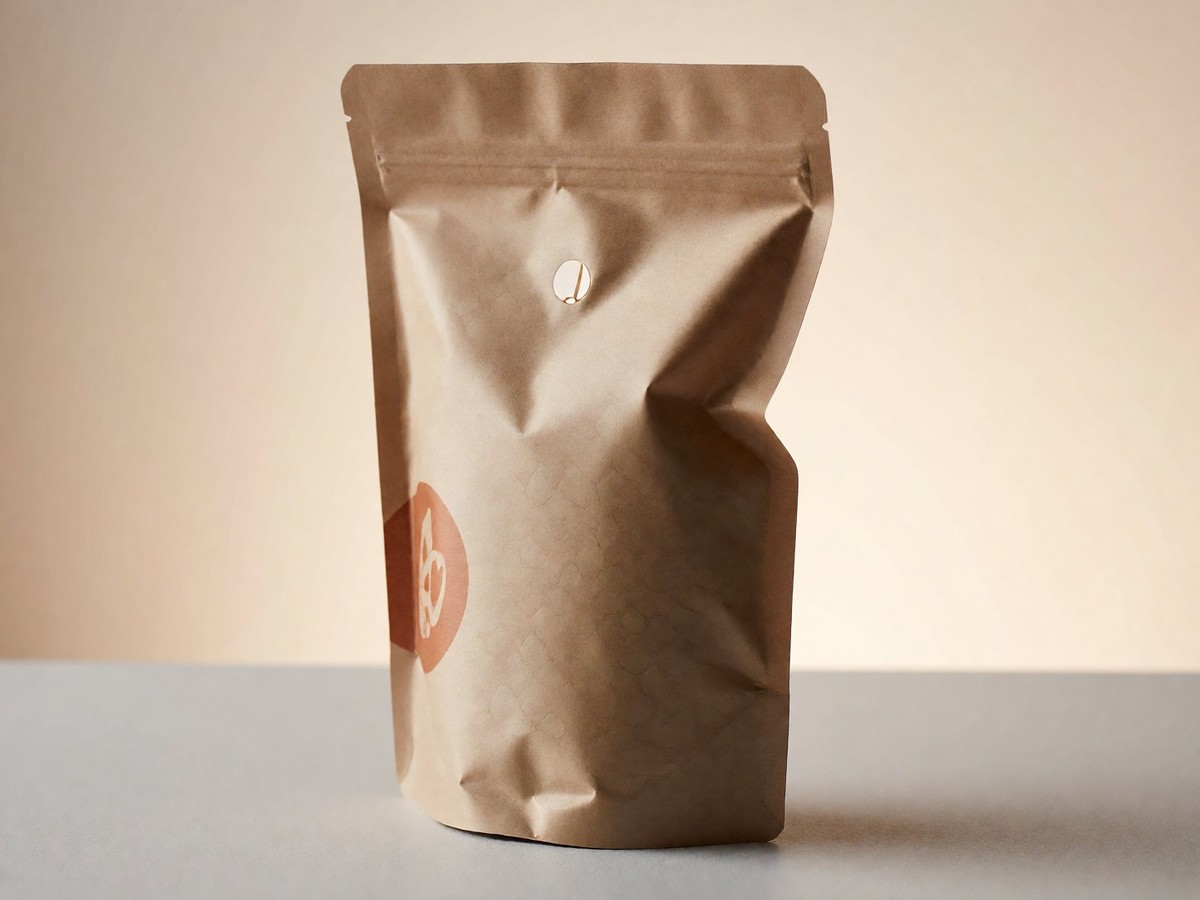
BioPouches supplies low Minimum Order Quantities (MOQs) to address a coffee packaging market where brands increasingly favor small quantities for testing or to manage limited budgets, making their flexibility a strong asset for smaller roasters. The BioPouches team receives tens of new inquiries regularly, and most of those requests involve quantities of fewer than 5,000 pieces. While some established brands continue to purchase six-digit quantities of successful designs, many companies prefer to test one or two designs in small runs before committing more budget. These brands often maintain two or three different designs at the same time to manage various product lines. Because they buy in small amounts, costs per unit increase, as a simple-design stand-up pouch costs $0.58 for 1,000 pouches, whereas the same pouch costs only $0.10 per unit when a company purchases 10,000. Smaller orders allow startups and cautious brands to protect their budgets while they gauge customer acceptance of new packaging. Bulk ordering exists less frequently than in the past, although older customers still purchase in quantities of several tens of thousands. Successful designs often remain in use for years when customers accept them. Companies avoid large orders to minimize the risk of buying much packaging that customers might not like.
Global supply and seasonal runs
BioPouches manufactures its products in China and operates warehouses in Canada and Australia to support a global client base. The company has produced packaging for China’s fastest-growing coffee brands, Luckin Coffee and Manner Coffee, for over ten years, although it only supplies a portion of their total packaging needs. Large companies often source from different manufacturers because of regional needs, different shipping costs, or other logistical requirements.
| Order Type | Quantity | Unit Cost |
|---|---|---|
| Small Run | 1,000 pouches | $0.58 |
| Large Run | 10,000 pouches | $0.10 |
Coffee companies also request short-run packaging for seasonal occasions like Christmas or Halloween. These businesses typically estimate sales during these periods and prepare their packaging three to four months in advance to ensure availability. To manage inventory for specific holidays, brands use this planning cycle to avoid overcommitting to excessive stock. Seasonal demand becomes easier to handle when companies can order small quantities. This low-volume approach helps companies respond to market testing results without depleting their budget.
Topics