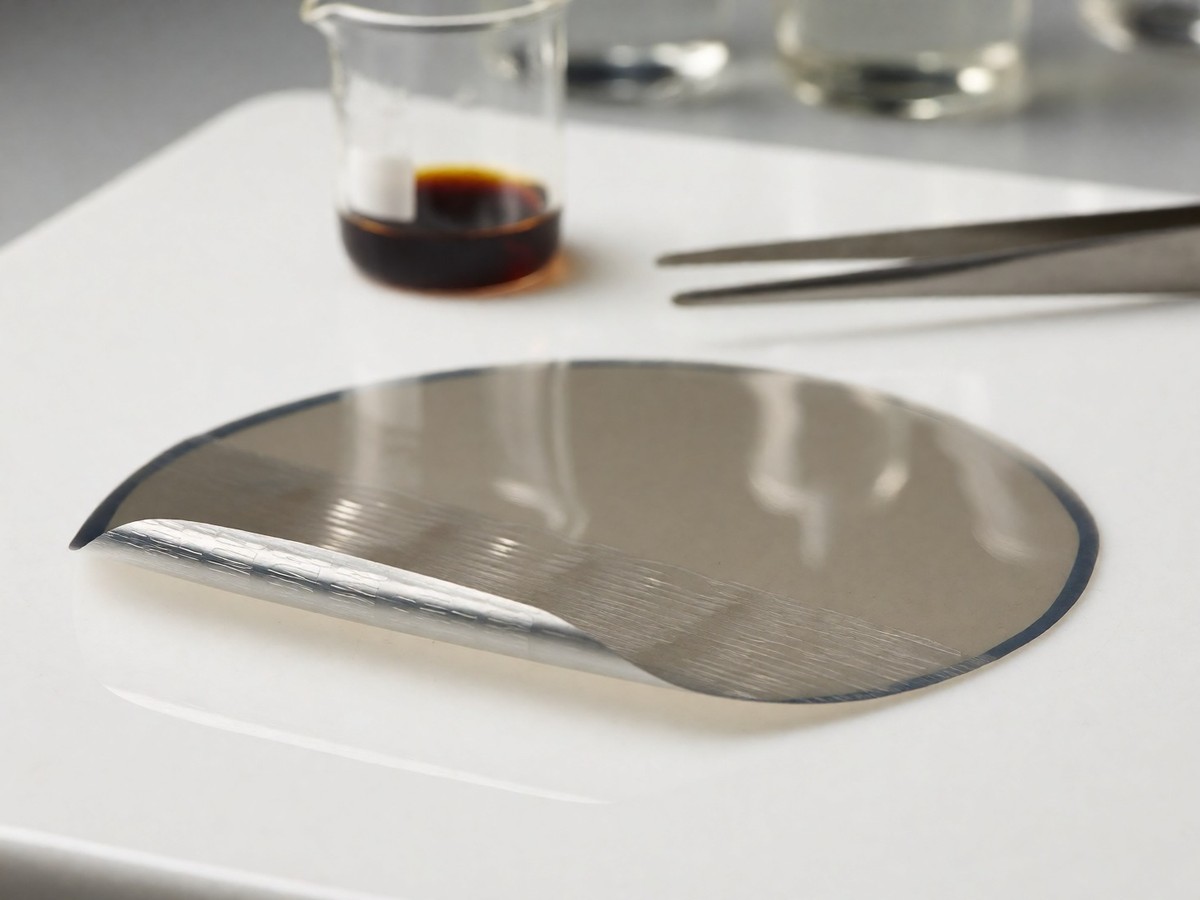
Yihan Tian at the University of New South Wales led a team that developed an experimental filter to remove caffeine from prepared coffee. Published in September in the Journal of Membrane Science, the study details a graphene oxide membrane that reduced caffeine concentration by approximately 47%. This approach targets dissolved caffeine after brewing, bypassing conventional methods that treat green beans before roasting using water, carbon dioxide, or chemical solvents. The authors described the work as an "early-stage demonstration" rather than an industrially optimized process. They noted that current permeance remains modest under real-coffee filtration conditions.
Filtering Mechanics and Test Results
The researchers constructed membranes with thin layers and microscopic channels between them. By adding calcium ions and sodium alginate, a compound derived from seaweed, they adjusted channel size and chemical properties. This modification allowed caffeine to pass through while retaining other compounds in the liquid. For testing, the team used diluted coffee made from commercial freeze-dried instant coffee. Each experiment involved 100 milliliters of solution filtered for 24 hours at room temperature under vacuum pressure. The best-performing membrane reduced caffeine from 24.64 to 12.95 micrograms per milligram of dried solids. Treated coffee still contained measurable amounts of trigonelline, N-methylpyridinium, choline, and hydroxymethylfurfural. However, concentrations of several of these flavor-associated compounds also declined during the process.
Practical Limitations and Future Needs
The authors emphasized that membrane performance cannot be assessed by a single indicator. They did not conduct sensory testing to determine how the process affected taste. A Seattle-based startup called Decafino introduced a post-brew decaffeination pouch in 2022, claiming it could remove up to 80% of caffeine in eight minutes. That company’s website is no longer operational, and its business status remains unconfirmed. Additional research is needed to improve filtration speed and prevent clogging. The team must also establish cleaning and reuse procedures and determine operating costs. The study did not demonstrate an energy-saving or environmental advantage over established methods. I view this as a promising but immature technology. It offers a new path for decaffeination, yet the slow 24-hour filtration time makes it impractical for immediate commercial use.