Nestle posted organic sales growth of 2.8 per cent for the first nine months of 2026, a figure that masks a softer overall performance driven by cautious consumer spending and pricing pressures. Total sales reached CHF 67.9 billion, with broad growth across geographies and categories despite the challenging environment. The company attributes this organic growth to 2.3 per cent from pricing and 0.5 per cent from real internal growth. I see the coffee division as the clear engine behind these numbers, providing essential support while other segments struggled to maintain momentum in a volatile market.
Coffee leads the charge
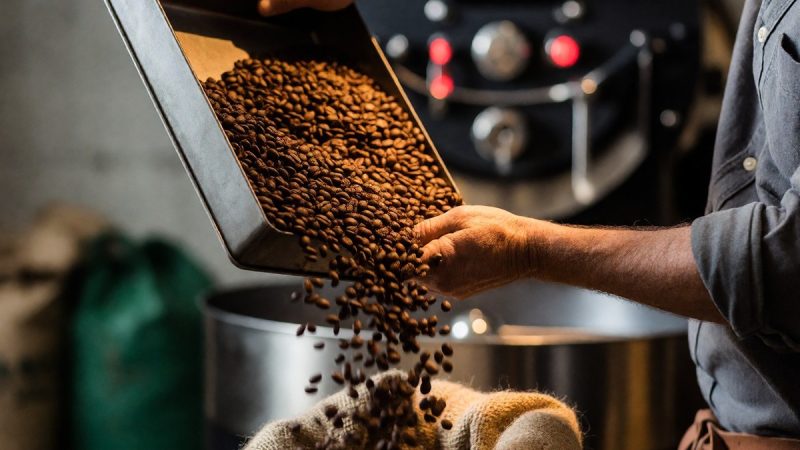
Coffee remained one of Nestle’s strongest-performing categories, with continued momentum for Nescafe supported by premiumisation initiatives and innovation across both soluble and ready-to-drink segments. Nespresso also reported growth, citing higher sales across a number of key markets and ongoing consumer demand for premium at-home coffee experiences. In North America, coffee was among the company’s leading growth drivers, alongside pet care and confectionery. Nescafe and Starbucks-branded products contributed positively to category performance, while Europe saw coffee continue to register growth despite softer consumer demand in some markets. Emerging markets in Asia, Oceania, and Africa showed encouraging results, supported by demand for soluble coffee products in developing coffee-consuming regions. This geographic spread ensures that weakness in one area does not derail the entire portfolio.
Resilient outlook and guidance
Chief Executive Officer Laurent Freixe stated that the company delivered resilient growth despite a volatile operating environment. He noted, "Consumers remain selective in their spending, but demand for trusted brands and products that deliver value continues to be strong." Nestle maintained its full-year guidance, reaffirming expectations for organic sales growth to improve compared with 2025. The company also expects underlying trading operating profit margins to remain at or above 17 per cent. While the broader sales slowdown indicates persistent headwinds, the specific strength in coffee suggests a durable core business. I find this focus on premiumization effective, as it allows the firm to capture value even when volume growth stalls. The reliance on price increases to drive the bulk of organic growth remains a potential risk if consumers push back further. However, the current trajectory supports the view that Nestle can sustain its margin targets through the rest of the year.