New research program targets crop resilience
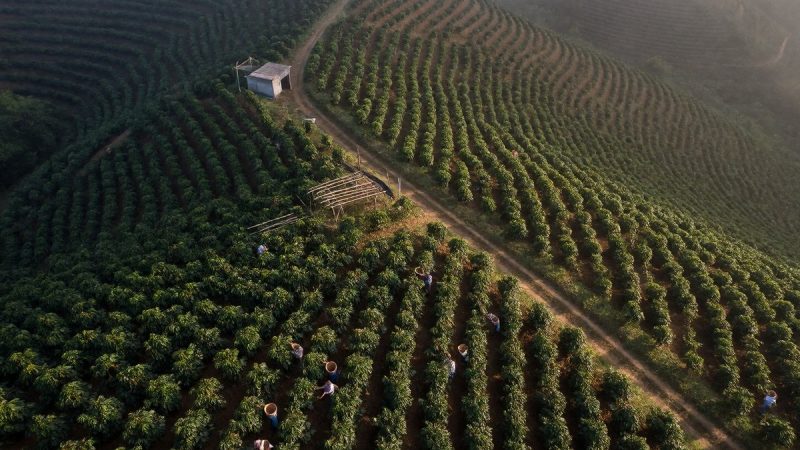
The UC Davis Coffee Center clearly strengthens coffee production through research expertise. UC Davis joins the Feed the Future Innovation Lab for Coffee and Cacao (CCIL), a program funded by a cooperative agreement from the U.S. Department of State. The University of Hawai’i at Manoa leads the lab, and Clemson is co-lead. UC Davis acts as a subrecipient, providing expertise through the UC Davis Coffee Center, the Mars Plant Science Center, and the Department of Plant Sciences. Coffee supports 2.2 million U.S. jobs and adds $343 billion to the U.S. economy every year. Chocolate generates $28.4 billion in sales and adds 700,000 jobs to the U.S. economy.
Irwin R. Donis-Gonzalez, project lead and principal investigator at UC Davis, says the university will combine research expertise in post-harvest engineering, chemical analysis and sensory evaluation to strengthen coffee production and processing. He says the UC Davis Coffee Center will integrate advanced postharvest engineering, chemical profiling and expert sensory evaluation to identify practices that strengthen coffee production and processing. In partnership with coffee producers and stakeholders in Hawai’i, the continental U.S. and abroad, UC Davis will refine methodologies, deliver actionable data, train producers and share findings, empowering informed decisions, elevating coffee quality, improving production, and advancing sustainability across the supply chain. This work supports a resilient global supply for crops where more than 99% of the American supply is imported. This helps protect crops that remain critical to international agricultural economies.
Cacao tools support smallholder cooperatives
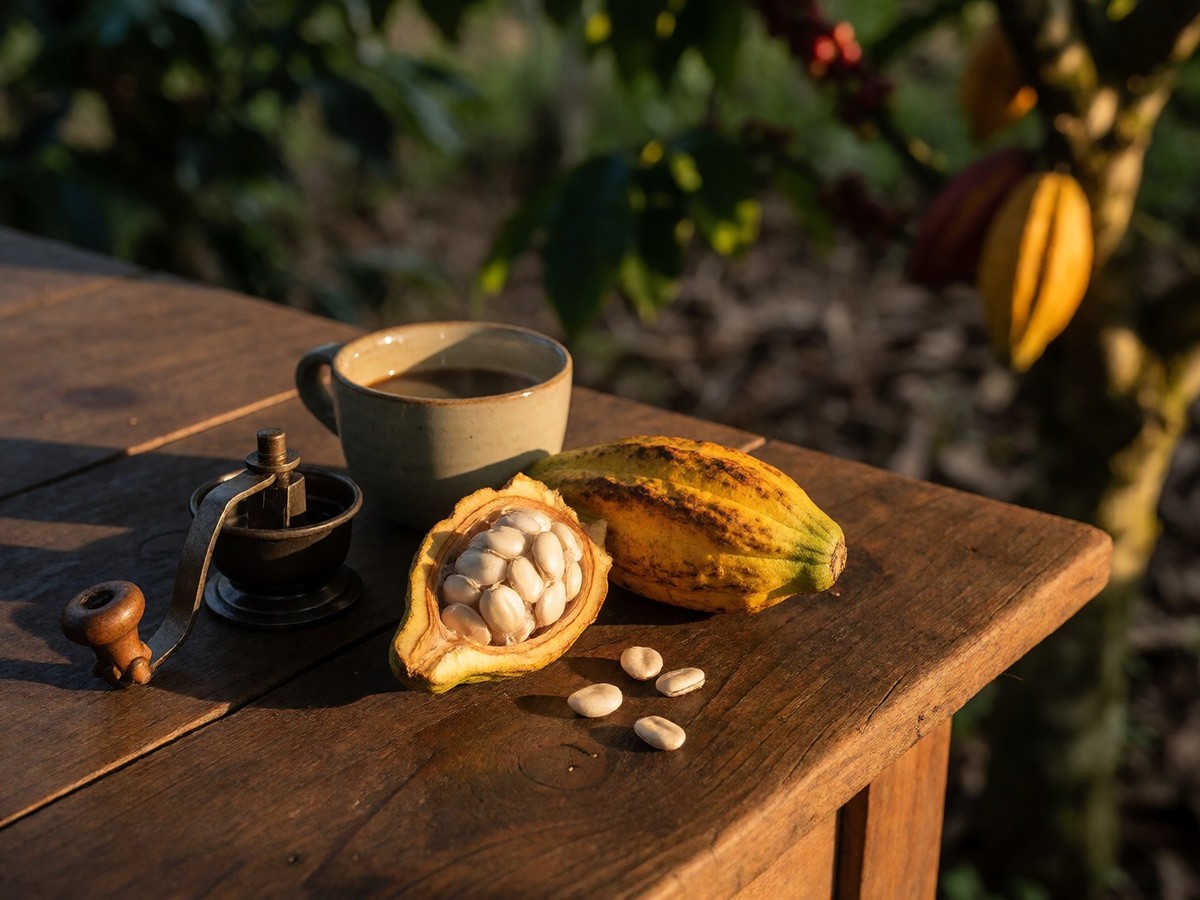
The deployment of cacao tools effectively helps smallholder farmers. The CCIL works with small farmers in Hawai’i, the continental United States, Latin America, Africa, and Asia to breed varieties with resistance to disease and drought. The effort works to improve farm management, build research capacity, and produce economic evidence for research investments. Through the Mars Plant Science Center, UC Davis will support the deployment of cacao production tools developed over two decades of research. These technologies go to smallholder cooperatives and commercial producer groups in specific cacao-growing regions. Amanda Crump, associate professor of teaching in international agriculture development at UC Davis, will lead a collaboration to monitor the adoption of these tools and their impact on household resilience in cacao farming communities.
Ashley DuVal, a senior scientist at Mars, says the program helps expand access to tools, technologies, and planting materials designed to improve cacao productivity and resilience. The Innovation Lab provides a "powerful new means to help create tangible impact for cacao farmers in the U.S. as well as in cacao-growing regions around the world," says Ashley DuVal. This initiative supports the Mars "Cocoa for Generations strategy" by using new tools, technologies, and planting materials. Partners include Michigan State University, The Ohio State University, Pennsylvania State University, Coffee Quality Institute, Mars, PlantVillage+, Synergistic Hawai’i Agriculture Council, and World Coffee Research. Two-thirds of American adults drink coffee every day, and the typical U.S. resident eats up to eight pounds of chocolate a year. The American roasting and confectionery industry depends on a stable supply from producing countries abroad. This secures American businesses by protecting crop health abroad.