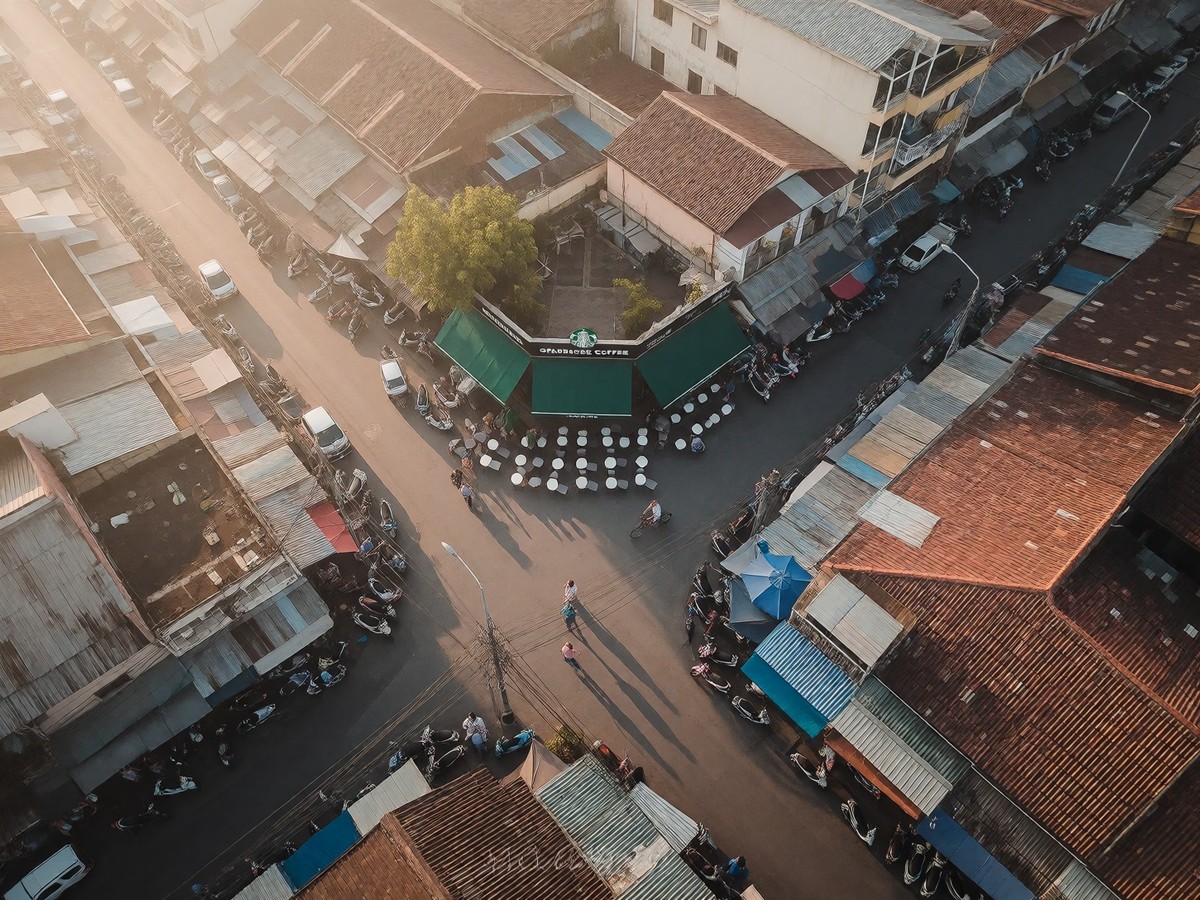
Starbucks operated 6,022 coffeehouses across 16 Asia-Pacific markets at the end of FY2026. This figure represents a 13 per cent increase from the 5,303 locations recorded at the end of FY2023. The company has served more than 2.8 million customers daily since entering the region with its first store in Singapore in December 1996. Its operations rely on over 62,000 "Green Apron" partners and licensing partners to maintain this scale. I find the sheer volume of daily transactions impressive, yet the exclusion of Mainland China and Japan from this count limits the true scope of their global dominance.
Format Diversity Drives Growth
The milestone coincides with the opening of Starbucks Ly Nam De in Buon Ma Thuot, Vietnam’s Central Highlands. This location is the brand’s first in that city, a region recognized for its coffee-growing heritage. The design references traditional weaving and the Rong house, a communal gathering place in the area. Amol Akolkar, Managing Director of Store Development, Design and Market Planning, states that the company must find new ways to serve customers throughout their day and week. He notes that the opportunity is not simply to add more of the same stores as networks grow. Instead, they are adopting a targeted approach to address changing customer needs.
Strategic Expansion Beyond Traditional Stores
Starbucks is diversifying its footprint with smaller formats and commuter-focused locations. Examples include a specific outlet at Vientiane Station in Laos and mobile coffee trucks in Vietnam. These trucks serve customers at concerts, events, and community spaces. Other destination stores incorporate local architecture, such as Starbucks Luodong Forestry Culture Park in Taiwan. Chanda Beppu, President of Starbucks Asia Pacific, says surpassing 6,000 coffeehouses is a meaningful moment in their nearly 30-year journey. She credits the Green Apron partners for bringing the experience to millions of customers. The company plans to continue expanding through new locations and flexible store formats. It will also invest in existing coffeehouses to maintain relevance. The 16 markets include Australia, Brunei, Cambodia, Hong Kong, India, Indonesia, Laos, Macau, Malaysia, New Zealand, the Philippines, Singapore, South Korea, Taiwan, Thailand, and Vietnam. This steady growth shows a clear strategy to adapt to local preferences rather than relying on a single model.
Topics