Mechanical flipping solves blind spots
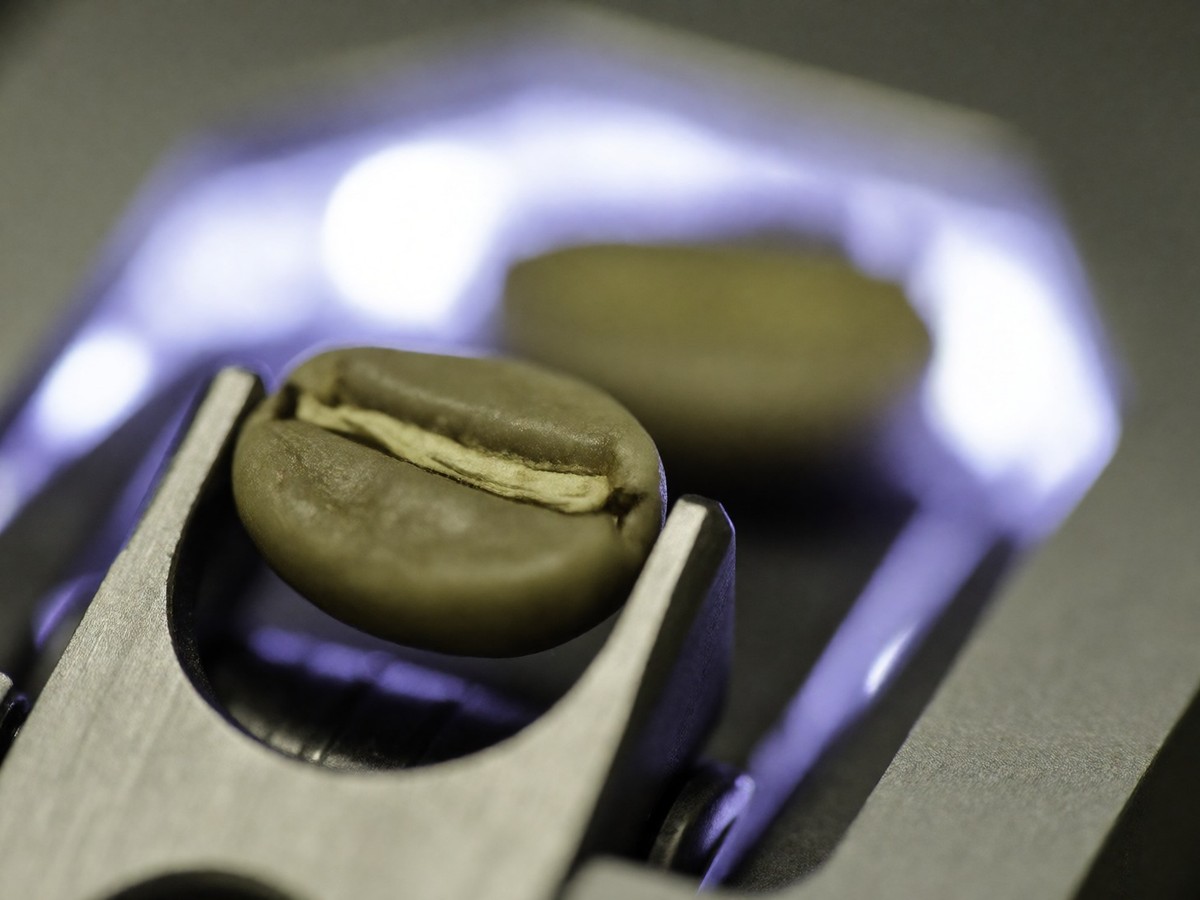
I find the 25.7% improvement in defect detection reported by researchers from Tecnologico Nacional de Mexico/Instituto Tecnologico de Orizaba and the Autonomous University of the State of Mexico very significant. This prototype responds to a common problem in automated green coffee quality control regarding potential blind spots when only one side of a bean is visible. The system first photographed one side, then mechanically rotated the coffees 180 degrees, then photographed the opposite side. The researchers found that photographing both sides of the beans improved defect detection by 25.7% compared with photographing only one side using a prototype that incorporates a hopper, dispenser roller, and mechanical flipping system. This device presents small groups of 350-gram green coffee samples to two 16-megapixel cameras under controlled LED lighting.
| Prototype Specification | Value |
|---|---|
| Sample size | 350 grams |
| Processing time | 38 to 40 minutes |
| Camera resolution | 16 megapixels |
| Dataset size | 9,600 images |
| Defect categories | 12 |
YOLOv8 precision and processing limits
The researchers built a 12-class image dataset that covered 11 defect categories plus normal green coffee. The specific defect categories included sour, brocade, peaberry, shell, elephant, frozen, black, ear, broken, dry, and triangle. They produced 9,600 images for training and evaluation by expanding expertly classified samples through data augmentation to ensure the models could identify all variations. After testing four different neural-network models, the team found that YOLOv8 performed the best, with 97.4% precision and 99.6% recall. This performance matches 2024 research from Bangladesh and Japan that found a customized YOLOv8n model most effective in green coffee defect detection, compared to other YOLO (You Only Look Once) models. The study was funded through a Tecnologico Nacional de Mexico grant, and the authors declared no conflicts of interest.
I note that the prototype is not a high-volume commercial optical sorter. Processing a standard 350-gram grading sample required approximately 38 to 40 minutes of work. The authors also cautioned that the sample used to compare single- and dual-sided inspection was limited and called for testing with larger and more diverse samples. This project adds to a field where relatively new companies such as Demetria, Avercasso, and ProfilePrint have brought products to market within the past five years.