Decaf remains untouched
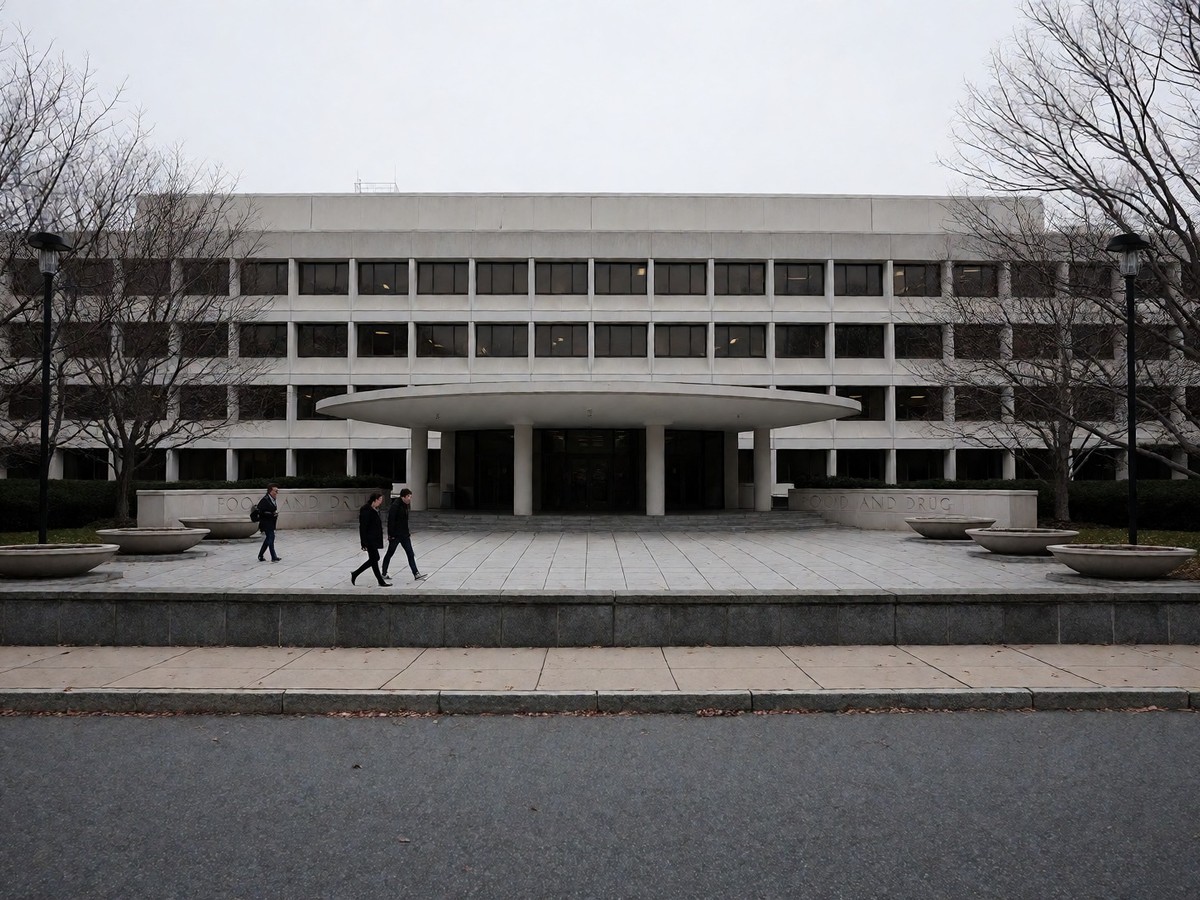
I find the FDA’s delay regarding coffee decaffeination frustrating because the agency is already revoking methylene chloride uses elsewhere. On Nov. 9, the FDA announced it is revoking several authorizations for methylene chloride in food-related applications because the chemical causes cancer in laboratory animals. These changes, scheduled to take effect Jan. 11, 2027, will eliminate methylene chloride use in inks for marking fruits and vegetables. The FDA also removed approvals for methylene chloride and two other solvents used in the manufacture of certain food colorings because the agency determined industry had already abandoned those uses.
| Substance | Current FDA Limit (Coffee) |
|---|---|
| Methylene chloride | 10 parts per million |
Current FDA regulations permit residues of up to 10 parts per million in decaffeinated roasted coffee and decaffeinated soluble coffee extract.
The pending petition
The FDA has not yet ruled on a December 2023 petition to remove benzene, ethylene dichloride, methylene chloride, and trichloroethylene from food processing. The Environmental Defense Fund and other petitioners filed this request to eliminate existing authorizations for these chemicals using the Delaney Clause. This federal provision prohibits the approval of food additives found to cause cancer in humans or animals. For coffee, methylene chloride is the primary concern because the solvent is used in commercial decaffeination, which is often described as the European Method. Lisa Lefferts, an environmental health consultant and petitioner, said the FDA still has not acted on a related petition to remove other uses of these cancer-causing chemicals, including for decaffeinating coffee, even though safer alternatives exist. The FDA’s public petition database lists the petition as under review with no timetable for a decision.
The National Coffee Association opposes the proposed restrictions. The group maintains that European Method decaf is safe under existing federal limits, even though some coffee companies have moved away from methylene chloride or emphasize water-process decaffeination. The National Coffee Association argues that a ban would unnecessarily restrict access to decaf coffee and increase costs, given that about 10% of U.S. adults, or roughly 26 million people, drink decaffeinated coffee daily. The American Beverage Association and the Consumer Brands Association also submitted public comments against the restrictions.