Competition and rapid store growth
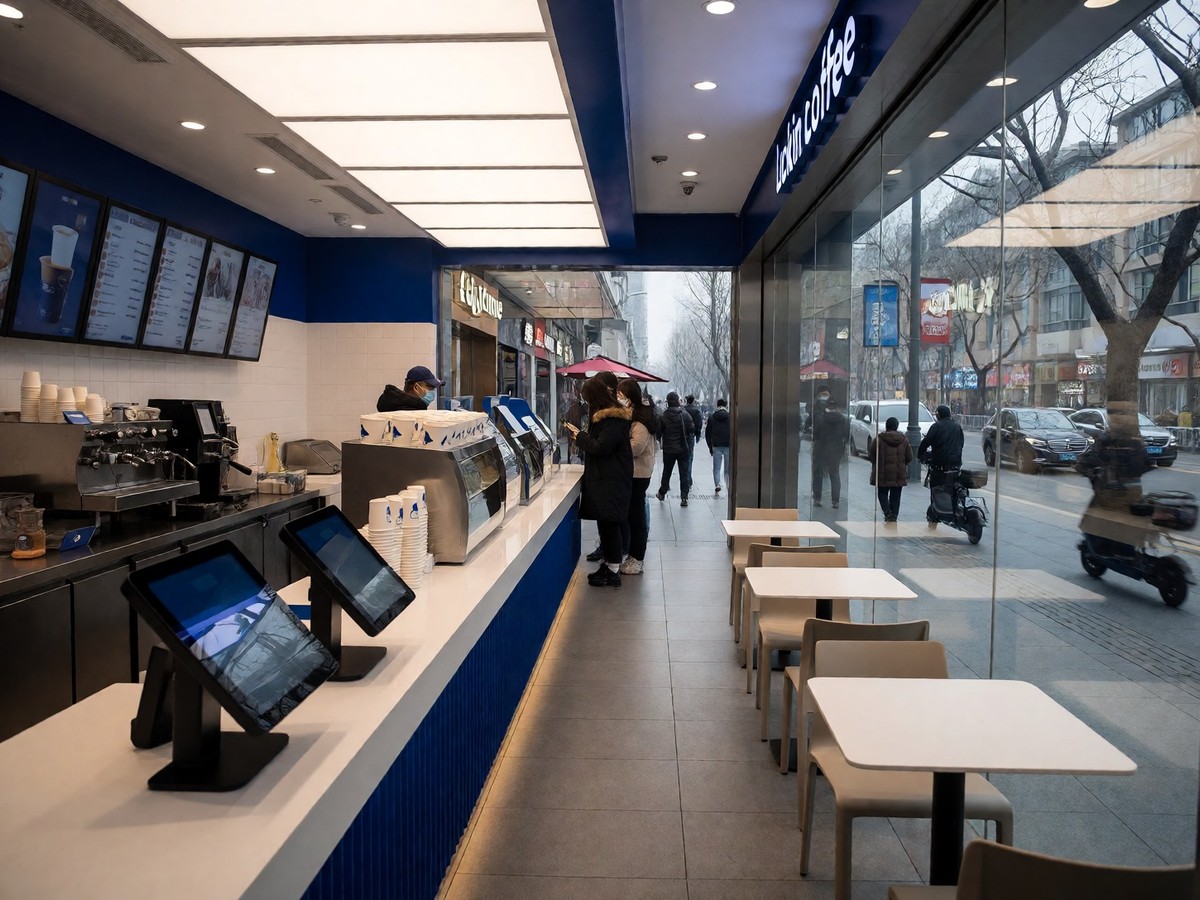
Luckin Coffee, which is a Beijing-based giant, is closing in on 40,000 stores following another quarter of surging outlet growth in China, yet like-for-like sales offer a cause for concern for the company’s long-term stability. With 38,909 stores, Luckin is the second-largest branded coffee chain globally, trailing only Starbucks, which maintains 41,607 stores across 90 markets. The gap between the two companies has drastically narrowed because Luckin is opening thousands of stores every single quarter, while Starbucks has slowed its own expansion or even contracted its presence in several specific markets across the globe. Luckin remains on track to become the world’s largest coffee chain in 2027 after a buoyant third quarter. The company is closing in on 40,000 stores after opening thousands of locations every quarter, which narrows the distance to Starbucks even as the American chain slows expansion or contracts in key markets.
| Metric | Luckin Coffee | Starbucks |
|---|---|---|
| Store Count | 38,909 | 41,607 |
| Global Rank | 2nd | 1st |
| Market Reach | China | 90 Markets |
Sustainability and sales concerns
The pursuit of rapid growth leads to questions about the sustainability of the Beijing-based company. While the company expands its footprint, like-for-like sales offer a cause for concern. This stagnation in sales per existing location persists despite the massive increase in outlet numbers throughout the most recent quarter. Luckin must maintain its momentum to overtake its primary rival, but the discrepancy between store count growth and sales trends creates a difficult path forward. Luckin is closing in on 40,000 stores after another quarter of surging outlet growth in China, but like-for-like sales offer a cause for concern. The company’s current total of 38,909 stores is currently trailing the 41,607 stores that Starbucks operates across 90 different markets, yet the gap is narrowing as Luckin opens thousands of stores each quarter. Luckin remains on track to become the world’s largest coffee chain in 2027, but the company faces the reality that like-for-like sales offer a cause for concern. The discrepancy between the company’s surging outlet growth in China and its like-for-like sales remains a significant problem for the Beijing-based firm.
Topics