Regional flavor mapping
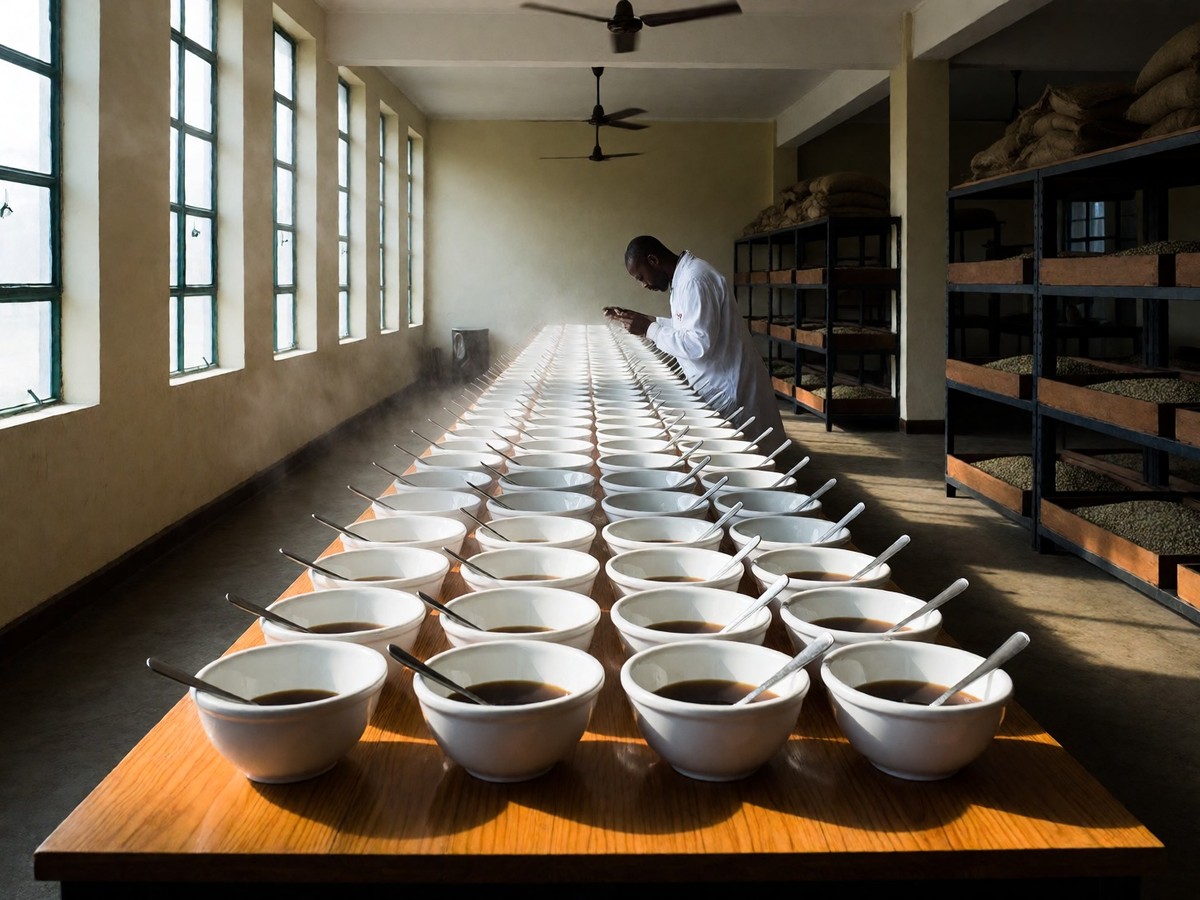
The Kenya Coffee Flavor Map initiative will analyze 500 coffee samples from 34 coffee-growing counties to create a national flavor atlas for publication in 2027. This project links sensory attributes to regional origins, coffee varieties, and production practices. Organizers recruit Kenyan and international cuppers to perform blind sensory evaluations, and they will make the findings available to the industry. Each coffee will be evaluated blind by multiple cuppers, and tasting notes will connect to geographic, environmental, and production data from participating farms and co-operatives. The resulting atlas will include regional flavor profiles, visual maps, and a searchable sensory database for producers, exporters, buyers, roasters, and educators. The project will provide a shared reference point for understanding regional differences in Kenyan coffee. Current sensory knowledge of Kenyan coffee remains limited to the country’s best-known origins and flavor descriptors.
| Data Point | Specification |
|---|---|
| Total coffee samples | 500 |
| Participating counties | 34 |
| Coffee shop count (2023) | 791 |
| Expo dates | November 14 to 16 |
The project is the center of the Kenya Coffee Flavor & Origin Expo in Nairobi from November 14 to 16. Professional cupping sessions occur on November 15 and 16, and the wider event provides exhibitions, educational sessions, and networking opportunities for producers, co-operatives, and coffee businesses to connect with international buyers, roasters, and industry stakeholders.
Industry collaboration and growth
Marty Pollack, co-founder of Torch Coffee, says the initiative aims for collaboration between local coffee experts and international sensory professionals. "Kenyan professionals are the hosts. International cuppers bring their own experience and have a chance to learn from the people who know these coffees at source. That is how new relationships start," Pollack says. The initiative receives support from the Government of Kenya, the Coffee Board of Kenya, the Food and Agriculture Organization of the United Nations (FAO) in Kenya, the Kenya Coffee Platform, and the United Nations Industrial Development Organization (UNIDO). A technical partner in Kenya will support the evaluation and data framework.
The Kenya Coffee Origin Conference occurs alongside the flavor mapping project. The conference brings together academics, scientists, producers, baristas, roasters, and policymakers to discuss issues affecting the coffee value chain. Topics include regional coffee identities, regenerative agriculture, women in coffee, producer-focused competition models, and international marketing opportunities. FAO Kenya will also present findings from the Kenya Arabica Climate and Soil Suitability Mapping Initiative regarding how climate and soil conditions influence future coffee production and investment decisions. This expansion follows a rise in domestic interest in coffee consumption, as the Agriculture and Food Authority reports that the number of coffee shops in the country grew from 231 in 2019 to 791 in 2023.
Topics